How Driveway Cleaning Keeps Weeds Out of Paver Joints
Pavers add curb appeal and durability to driveways, walkways, and patios, but the narrow joints between them are an ideal place for weeds to take hold. For homeowners in Prospect, a driveway that once looked crisp and uniform can quickly develop green lines of grass, moss, and broadleaf weeds that spread from joint to joint. Regular driveway cleaning is one of the most effective ways to stop this problem at its source, and it protects the structural integrity of the paving as well.
This guide explains why weeds grow in paver joints, how professional cleaning interrupts that process, and what maintenance habits keep the surface looking its best year after year.
Why Weeds Grow in Paver Joints
Weeds do not need much to get started. A paver joint, even a narrow one, can supply the three basics of germination: a place to anchor, moisture, and nutrients. Understanding how these conditions develop explains why cleaning makes such a difference.
Organic Debris Creates a Seed Bed
Over time, leaves, grass clippings, pollen, dust, soil, and windblown seeds settle into the joints. As this material breaks down, it forms a thin layer of organic matter on top of the joint sand. That layer holds moisture and provides nutrients, giving seeds exactly what they need to sprout. Weed seeds are not usually growing up from beneath the pavers. Most of them land on top of the joint and germinate in the debris that has accumulated there.
Joint Sand Erodes and Compacts
Paver joints are filled with fine sand that locks the stones together. Rain, runoff, sweeping, and traffic gradually wash some of this sand away. As the joints get deeper, they collect more debris and hold more water. Compacted, dirty sand also drains poorly, which keeps the joint damp and encourages moss, algae, and weed roots.
Moisture, Shade, and Algae
Shaded driveways and areas near landscaping stay damp longer. Algae and moss often appear first, forming a slippery film that traps even more dirt and seeds. Once that biological layer is in place, weeds follow quickly. In humid or rainy periods, the cycle can repeat within a few weeks.
How Driveway Cleaning Prevents Weed Growth
Professional driveway cleaning does more than make pavers look brighter. It removes the conditions weeds depend on, which reduces both existing growth and future outbreaks.
Removing Existing Weeds and Roots
A thorough cleaning dislodges small weeds, moss, and seedlings from the joints. Pressure cleaning with the right nozzle and technique can lift shallow roots and flush out the debris that supports them. Larger, established weeds may need to be pulled or treated first so the roots do not simply regrow after cleaning.

Eliminating Organic Material
Clearing out the top layer of dirt, leaf matter, and algae takes away the growing medium. Without that layer, seeds that land on the driveway have little to hold onto and are more likely to blow or wash away before they germinate.
Killing Algae, Moss, and Mildew
Soft washing solutions and surface cleaners https://alexisnbjp016.publishlane.com/posts/why-neglected-gutter-cleaning-leads-to-expensive-fascia-rot treat the biological growth that holds moisture against the paver surface. Removing algae and moss helps joints dry faster after rain, which makes the environment less welcoming for weeds.

Preparing the Surface for Joint Sand Replacement
Cleaning is the first step in restoring the joints. Once debris is removed, the joints can be refilled with fresh sand, which locks the pavers together and leaves less room for plants to establish. Without cleaning first, new sand just sits on top of old debris and offers little long-term protection.
The Professional Paver Cleaning Process
A well-executed paver cleaning follows a specific sequence. Each step protects the pavers while giving the best weed-prevention results.
- Inspection: The surface is checked for loose pavers, settled areas, deep joint erosion, stains, and the type and extent of weed growth.
- Pre-treatment: Existing weeds may be treated or removed, and cleaning solutions are applied to break down algae, oil, and organic buildup.
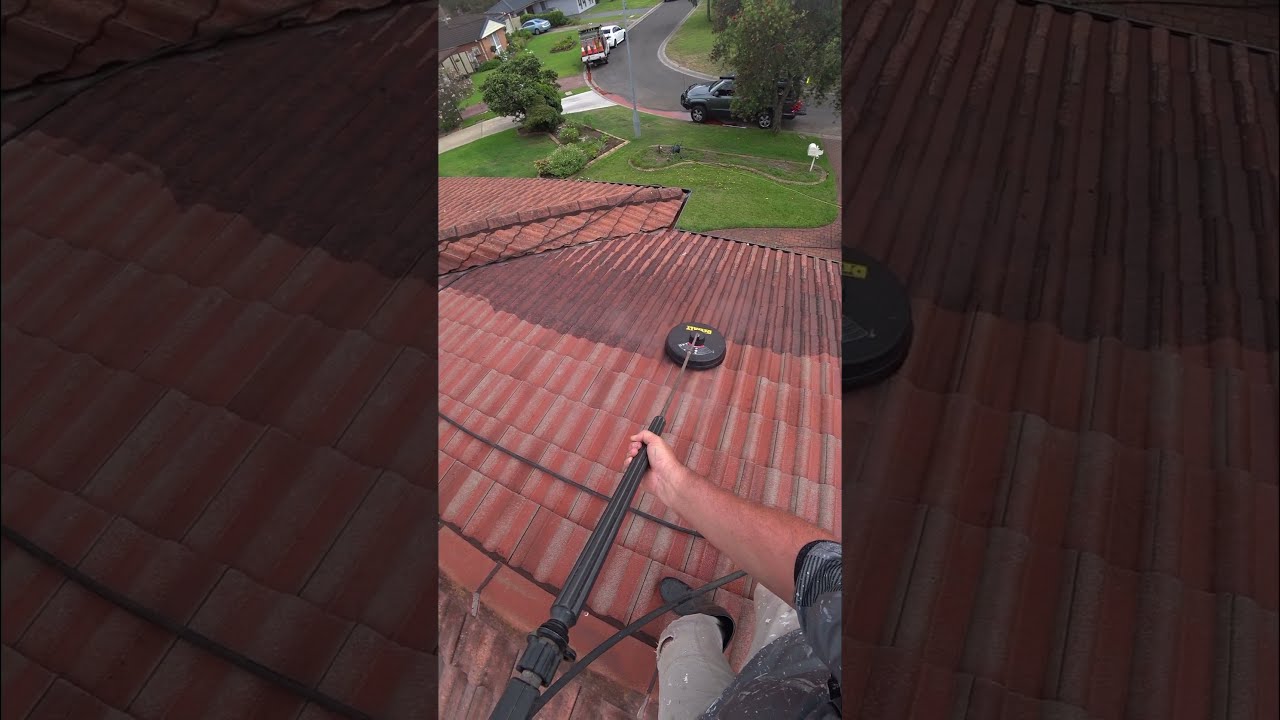
- Surface cleaning: A rotary surface cleaner provides even results across the pavers and helps avoid the streaking that can come from using only a wand.
- Joint cleaning: Debris is carefully flushed from the joints at a controlled pressure so the stones are not damaged and too much sand is not blasted out.
- Drying and re-sanding: Once the surface is dry, polymeric or fine joint sand is swept into the joints and compacted.
- Sealing (optional): A quality sealer can enhance color, resist stains, and add another barrier against debris and weed growth.
Polymeric Sand and Sealers: Extra Protection
Polymeric sand contains binding additives that harden slightly when activated with water. When installed correctly in clean, dry joints, it resists washout, discourages insects, and makes it much harder for weed seeds to take root. The key word is clean. Polymeric sand applied over dirty joints will not bond properly and may fail early.
Paver sealers also help by reducing water absorption and slowing the buildup of algae and stains. Not every driveway needs sealing, but for surfaces in shaded or high-moisture areas, it can extend the time between cleanings. Always allow the pavers to dry fully before sealing, and choose a product suited to the paver material.
Pressure Washing Risks to Avoid
Cleaning is beneficial, but poor technique can create new problems. Aggressive DIY pressure washing is a common cause of damaged pavers and weak joints.
- Excess pressure: Too much force can etch the paver surface, remove color, and blast out joint sand, leaving deep gaps where weeds return faster.
- Wrong nozzle or distance: A narrow, close-range spray can leave marks and uneven patterns.
- Skipping re-sanding: Cleaning without replacing lost sand leaves joints vulnerable.
- Harsh chemicals: Strong products can harm surrounding plants, discolor pavers, or run off into storm drains.
- Using herbicides carelessly: Some products can damage nearby lawns or landscaping and should be applied according to the label and local regulations.
Because of these risks, many Prospect homeowners prefer professional service, especially for large driveways or those with decorative or high-value pavers.
How Often Should Pavers Be Cleaned?
The right schedule depends on shade, tree cover, rainfall, and how heavily the driveway is used. As a general guideline:
- Properties with heavy tree cover or shade may benefit from cleaning once or twice a year.
- Open, sunny driveways often do well with annual cleaning.
- Re-sanding is typically needed every one to three years, or whenever joints look low or washed out.
- Sealed pavers may be cleaned and resealed every two to four years, depending on the product and wear.
Spring is a popular time for cleaning because it removes winter buildup and gets ahead of the peak weed growing season. A second light cleaning in fall can clear leaves and organic debris before they decompose in the joints.
Everyday Habits That Reduce Weeds Between Cleanings
Between professional visits, simple habits make a noticeable difference:
- Sweep or blow off leaves, grass clippings, and soil regularly.
- Pull small weeds as soon as they appear, ideally after rain when roots release easily.
- Direct downspouts and sprinkler heads away from paver surfaces.
- Trim overhanging branches to increase sunlight and reduce debris.
- Keep soil and mulch from washing onto the pavers by maintaining landscape edges.
- Top up joint sand if you notice low spots.
Part of a Complete Exterior Maintenance Plan
Weeds in paver joints are often a symptom of broader exterior upkeep needs. Debris and moisture issues on one part of the property tend to affect others. Combining services can save time and give the whole property a consistent look.
House washing removes algae, mildew, and dirt from siding, which would otherwise wash down onto the driveway and feed growth in the joints. Roof cleaning clears the moss and algae that shed spores and debris onto surfaces below. Gutter cleaning prevents overflow that can saturate driveway edges, erode joint sand, and deposit organic matter. Deck cleaning keeps wood and composite surfaces free of the same biological growth that affects pavers, and solar panel cleaning helps maintain system efficiency while preventing dirty runoff and buildup. For businesses, commercial pressure cleaning of paved entrances, walkways, and parking areas keeps the property safe, presentable, and free of weeds that can make a site look neglected.
Choosing a Driveway Cleaning Service in Prospect
When hiring a provider for paver cleaning, look for a company that understands the entire process, not just washing. Ask whether they adjust pressure for paver type, use surface cleaners, replace joint sand, and offer sealing. Confirm they carry insurance, and ask how they manage wastewater and cleaning solutions to protect landscaping and local waterways. A clear written estimate that describes each step helps you compare options accurately.
Final Thoughts
Weeds in paver joints are not just a cosmetic annoyance. They trap moisture, loosen the interlocking structure of the pavers, and can lead to shifting, settling, and costly repairs. Driveway cleaning addresses the root cause by removing debris, algae, and existing growth, then creating a clean base for fresh joint sand and sealing. With the right cleaning schedule, careful technique, and a few simple maintenance habits, Prospect homeowners can keep their pavers looking sharp and their joints weed-free well into 2027 and beyond.
Prospect Pressure Cleaning
Unit 2/77 Prospect Rd, Prospect SA 5082
ph. (08) 7282 0629